

A new heat pump can be one of the largest electrical loads added to a home, but that does not mean every project requires a full panel replacement. An accurate electrical panel upgrade Bellevue assessment looks at service capacity, existing household loads, breaker space, equipment specifications, wiring condition, disconnect requirements, and future plans. The goal is not to sell the biggest electrical project. It is to create a safe, code-compliant power path for the selected HVAC system while avoiding preventable delays. Cool Fox Heating & Air provides electrical upgrades and heat pump installation through one coordinated team, which helps the mechanical and electrical scopes develop together.
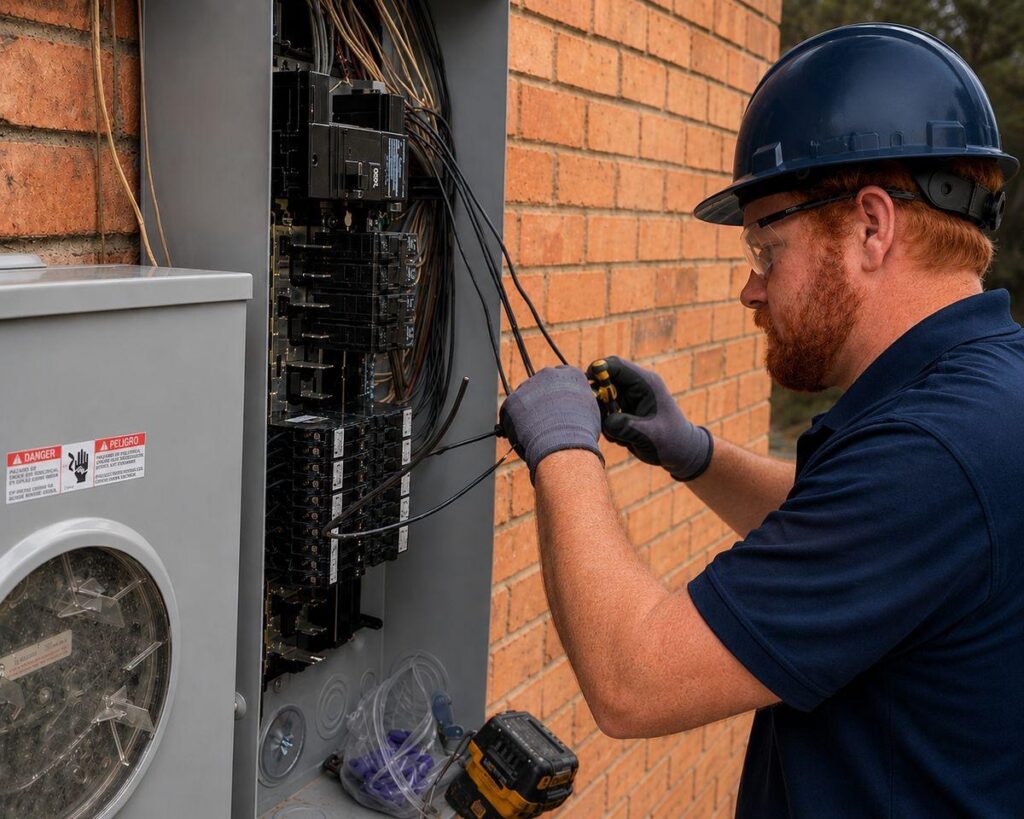
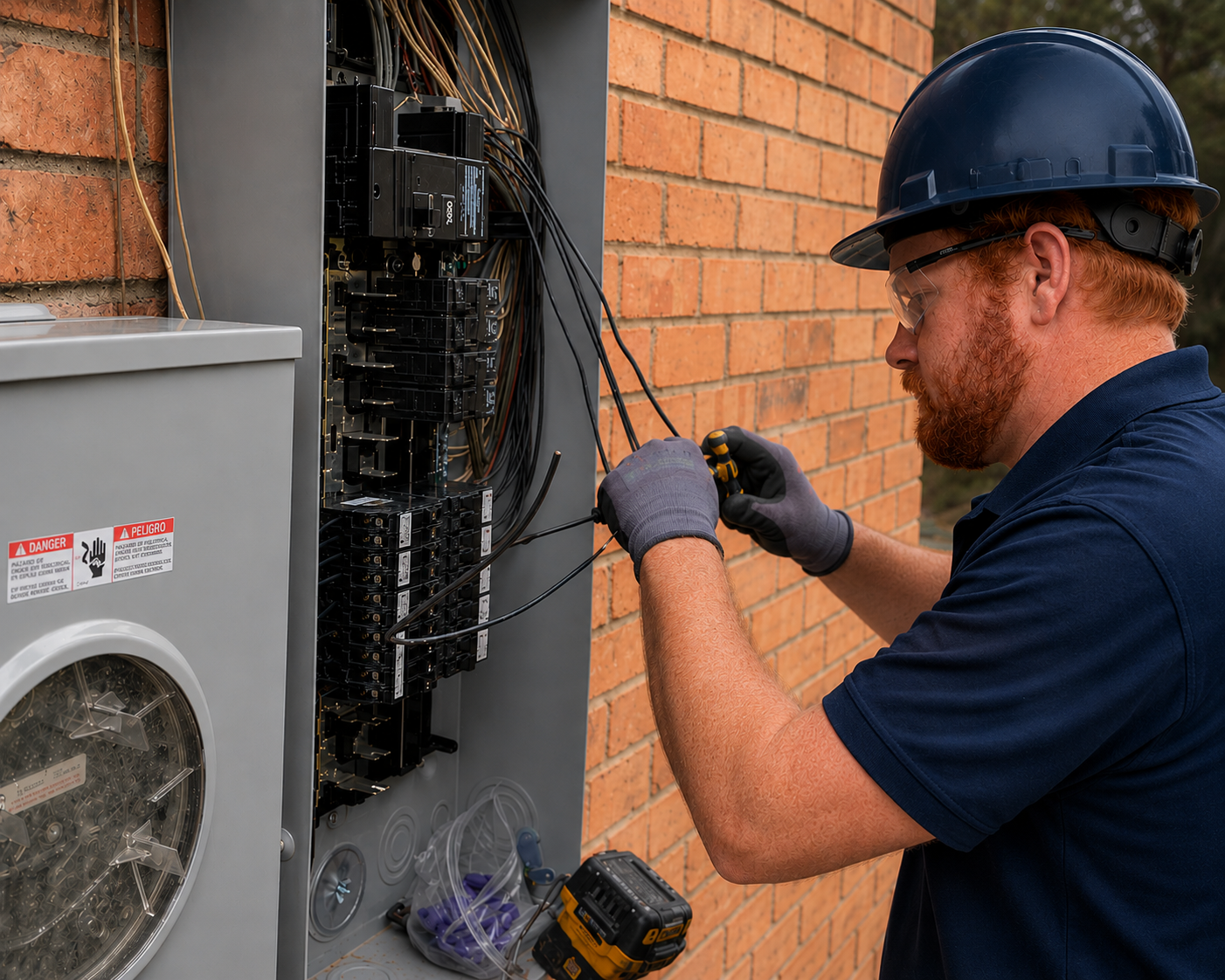
Cool Fox technician working at a residential electrical panel. | Image source: Cool Fox Heating & Air website
Electrical Panel Upgrade Bellevue: Why the Answer Is Not Automatic
Bellevue includes newer construction, renovated mid-century homes, townhomes, and older properties that have accumulated electrical additions over decades. Two houses with the same nominal panel rating may have very different available capacity because one uses gas for cooking and water heating while the other has electric appliances, vehicle charging, a hot tub, or extensive home-office loads.
The heat pump itself also matters. A small ductless system, a central variable-speed heat pump, and a system with electric auxiliary heat can have very different circuit and load requirements. The electrical review should therefore use the actual proposed equipment data rather than a generic assumption about what a heat pump needs.
A useful starting point is a whole-home conversation rather than a product-only quote. Cool Fox Heating & Air provides electrical upgrade services and can also coordinate heat pump installation when the project requires both trades. That integrated approach matters because comfort, airflow, controls, electrical capacity, and installation quality all influence the final result.
How an Electrical Load Assessment Works
A licensed electrician evaluates the service and panel, identifies major connected loads, reviews the equipment nameplate requirements, and determines whether the planned addition can be served safely. The assessment is more detailed than adding breaker numbers because many loads do not operate continuously or simultaneously. Applicable calculation methods account for demand, equipment type, and dwelling characteristics.
The electrician should also inspect physical condition and compatibility. Available amperage is not helpful if the panel is damaged, has obsolete components, contains improper modifications, or lacks the spaces and bus configuration needed for the new circuit. The assessment may reveal that the service is adequate but a subpanel, breaker rearrangement, dedicated circuit, disconnect, or conductor upgrade is needed.
For homeowners researching electrical panel upgrade Bellevue, the practical lesson is that equipment specifications are only one part of the decision. The selected system must be compatible with the home, installed to manufacturer requirements, commissioned under real operating conditions, and explained clearly enough that the homeowner knows how to use it efficiently.
Signs a Panel or Service Upgrade May Be Part of the Project
No single symptom proves that a replacement is required, but these conditions deserve professional review:
- The main panel is full, and tandem breakers or crowded wiring leave no practical path for the HVAC circuit.
- The home already has high electrical demand from resistance heating, electric water heating, cooking, vehicle charging, a spa, or workshop equipment.
- Breakers trip, lights dim, or components show overheating, corrosion, damaged insulation, or other signs of distress.
- The panel brand, age, or condition creates difficulty obtaining approved replacement breakers or completing safe modifications.
- The heat-pump design includes electric backup heat with a significant demand that was not present in the former gas system.
- Future plans include an EV charger, induction range, electric water heater, addition, or accessory dwelling unit that should be considered now.
The HVAC Selection and Electrical Design Must Be Coordinated
Electrical planning should not happen after the heat pump is already ordered. The HVAC contractor needs to provide exact model information, minimum circuit ampacity, maximum overcurrent protection, auxiliary heat data, disconnect requirements, and control needs. The electrician then designs the circuit and service solution around real information rather than an estimate.
Coordination can also create alternatives. If a proposed backup-heat package creates an excessive electrical demand, the team may evaluate a different equipment configuration, dual-fuel strategy, load-management option, or home-performance improvement. Those choices should be made carefully and documented; the goal is never to undersize safety components or ignore the home’s heating needs.
A professional evaluation should leave the homeowner with clear choices rather than a vague recommendation. Each option should identify what is being replaced or retained, what supporting work is included, how comfort or reliability is expected to improve, and what assumptions could change the scope. Written clarity is especially important when multiple pieces of equipment, electrical changes, duct modifications, condensate routing, controls, or permits may be involved.
Bellevue Permitting, Utility Coordination, and Project Timing
Panel and service work can involve permits, inspections, utility coordination, meter access, and a planned interruption of power. The exact process depends on the scope and serving utility. Homeowners should not assume that a same-day mechanical installation automatically means the electrical service portion can be completed without advance scheduling.
A coordinated proposal should identify who is responsible for the electrical permit, whether utility work may be required, what areas of the home need access, and how long power is expected to be off. It should also explain restoration responsibilities if walls, siding, landscaping, or finished surfaces must be opened to route new conductors.
Bellevue homeowners often plan several electrification projects over time. Even when the current heat pump can fit on the existing service, it may be worth discussing a panel layout or service strategy that avoids redoing work for a future charger or appliance. That conversation should distinguish prudent planning from unnecessary upsizing.
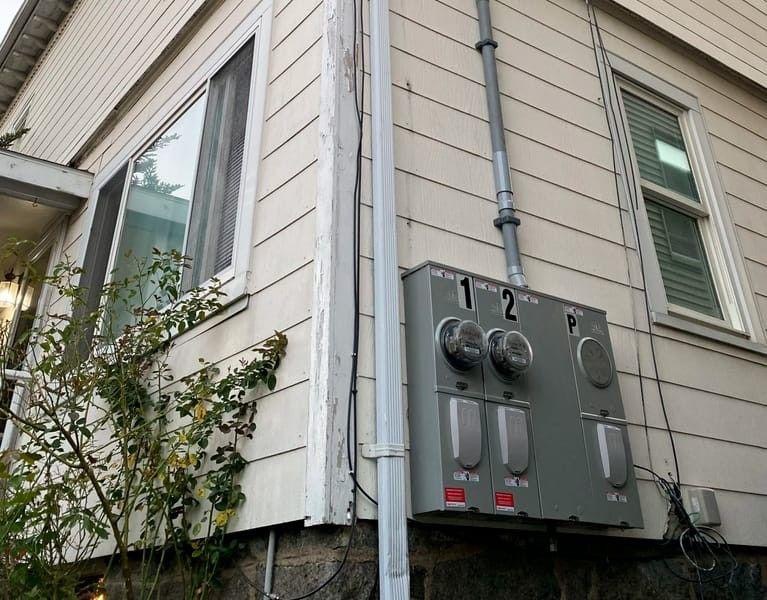
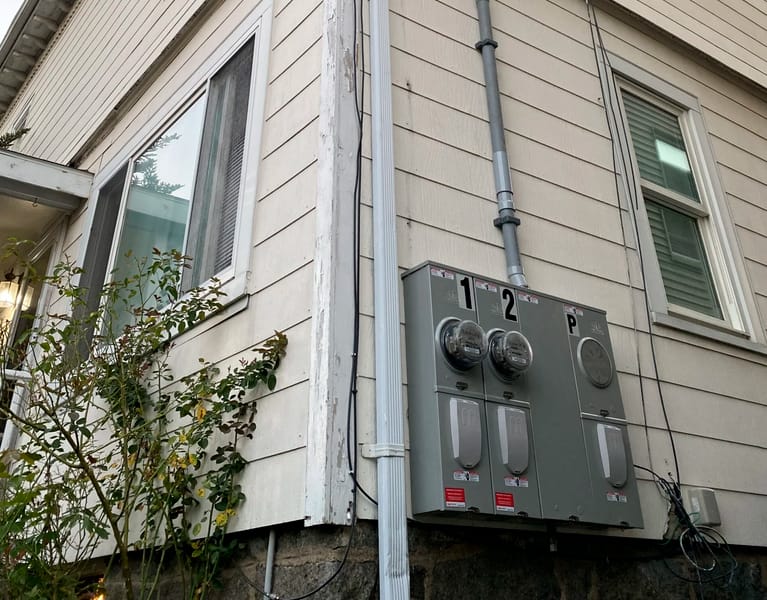
Completed residential electrical panel upgrade and labeled branch circuits. | Image source: Cool Fox Heating & Air website
Electrical Readiness Supports HVAC Performance and Reliability
An electrical panel does not make a heat pump more efficient by itself, but correct voltage, conductor sizing, breaker protection, disconnects, grounding, and controls are essential to reliable operation. Improper voltage drop or poor connections can create nuisance faults, overheating, and shortened component life. Surge protection may also be discussed for modern inverter-driven equipment with sensitive electronics.
Electrical design should include the outdoor unit, indoor unit or air handler, auxiliary heat, condensate equipment, controls, and any required service receptacles or disconnects. A complete scope reduces the chance of last-minute additions and helps the commissioning technician verify that the equipment starts, ramps, and operates as intended.
Efficiency should be discussed as part of a complete operating system. Oversized equipment, restricted ducts, poor refrigerant setup, incorrect airflow, dirty filters, or controls that are not configured correctly can prevent high-efficiency equipment from delivering its rated potential. A balanced recommendation considers purchase price, expected use, comfort priorities, maintenance requirements, warranty terms, and the likely condition of the rest of the home.
What Changes the Cost of an Electrical Upgrade
Cost depends on whether the project needs a branch circuit, subpanel, main panel replacement, service upgrade, meter or mast work, trenching, wall access, utility changes, grounding updates, surge protection, or relocation. The difficulty of routing cable from the panel to the indoor and outdoor equipment can matter as much as the equipment rating.
Quotes should clearly separate the heat-pump scope from electrical allowances and identify what could trigger a change order. Homeowners should ask whether patching and painting are included, how circuits will be labeled, whether obsolete equipment will be removed, and which inspections are part of the price. Financing or incentive opportunities should be treated as secondary to a correct design.
The lowest initial price is not always the lowest long-term cost. A more complete comparison includes energy use, maintenance access, repair risk, warranty coverage, expected service life, comfort consistency, noise, and the possibility of future electrical or ductwork work. Homeowners should ask what is included in commissioning and how the contractor will document that the system is operating as designed.
Common Electrical Planning Mistakes Before Heat Pump Installation
Avoiding the following mistakes can prevent rescheduling and surprise costs:
- Selecting HVAC equipment before anyone confirms the home’s electrical capacity and routing options.
- Assuming a 200-amp label automatically means there is enough available load for every planned appliance.
- Looking only for open breaker spaces without assessing service load, panel condition, and listed breaker compatibility.
- Failing to include auxiliary heat or indoor-unit requirements in the electrical calculation.
- Treating permits, utility scheduling, drywall access, or power shutdown as minor details to solve on installation day.
- Upgrading the panel without considering near-term plans such as an EV charger or electric water heater.
Bellevue Homeowner Checklist Before Approving the Work
Use this checklist to make the HVAC and electrical proposals easier to compare:
- Request exact heat-pump model numbers and electrical data for every powered component.
- Ask for a documented load assessment and an explanation of the available options.
- Confirm whether the scope is a circuit addition, panel replacement, full service upgrade, or a combination.
- Identify permit, inspection, and utility responsibilities in writing.
- Discuss cable routes, equipment disconnects, wall access, labeling, surge protection, and finish restoration.
- List future electrical projects so the team can explain whether they should influence today’s design.
What a Coordinated HVAC-Electrical Project Should Include
A coordinated project starts with both trades understanding the same equipment plan. The homeowner should receive a schedule that accounts for electrical rough-in, mechanical installation, inspections, utility work when needed, startup, and final testing. Communication becomes especially important if an existing heating system must remain operational until the new system is ready.
At completion, the panel and circuits should be labeled, covers secured, work areas cleaned, and permits closed according to the project requirements. The HVAC technician should verify operation under available modes and explain the thermostat, filters, maintenance, and any backup-heat settings. Documentation should include equipment information, warranties, and the electrical scope completed.
Cool Fox describes its process as straightforward: schedule a consultation, review clear options, and complete the work with clean professional installation. Homeowners can request a free estimate to discuss the home, current equipment, comfort concerns, and project goals before deciding whether electrical panel upgrade Bellevue is the right next step.
Frequently Asked Questions
Does every Bellevue heat pump installation require a panel upgrade?
No. Some homes have adequate service capacity and panel space. Others need only a new circuit or subpanel, while certain projects require a full panel or service upgrade. A licensed assessment using the selected equipment is the appropriate way to decide.
Is 200-amp service always enough for a heat pump?
Not automatically. Available capacity depends on the home’s other loads, the heat-pump design, auxiliary heat, and applicable load calculations. Panel condition and breaker space also matter.
Can the panel upgrade and heat pump be done by separate companies?
They can, but responsibilities, timing, equipment data, permits, and commissioning must be coordinated. A single company handling both scopes can reduce communication gaps when it has appropriately licensed teams.
How long is the power off during a panel upgrade?
The outage varies with scope, utility involvement, inspection procedures, and field conditions. The contractor should provide a project-specific expectation and explain what homeowners should prepare before shutdown.
Should I plan for an EV charger while upgrading the panel?
Mention any near-term electrification plans during the load assessment. The best solution may be additional capacity, a different panel layout, load management, or simply reserving a practical future circuit path.
Talk With a Local HVAC and Electrical Team
Electrical capacity should be confirmed early, not treated as a surprise after HVAC equipment arrives. Cool Fox Heating & Air can evaluate the heat-pump and electrical scopes together for Bellevue homeowners. Review electrical upgrade options, learn about heat pump installation, or request a free estimate for a coordinated assessment.
External Sources
- Seattle City Light – Apply for New or Upgraded Electrical Service
- Seattle Department of Construction and Inspections – Electrical Permits
- ENERGY STAR – HVAC Quality Installation
Editorial note: External sources are provided for reader education. Availability of incentives, permits, equipment, and utility programs can change; verify current requirements before publication.