

Choosing between a heat pump and a furnace is no longer a simple question of electric versus gas. For Seattle homeowners, the decision affects winter comfort, summer cooling, utility use, indoor air movement, electrical capacity, and the way the home will be maintained for years. This heat pump vs furnace Seattle guide explains the tradeoffs without assuming that one technology is automatically right for every property. A thoughtful recommendation begins with the home itself: its size, insulation, windows, ducts, electrical service, existing fuel, and the rooms that are currently difficult to keep comfortable. Cool Fox Heating & Air offers both heat pump installation and furnace repair and installation, allowing the comparison to focus on the most practical solution rather than a single product category.
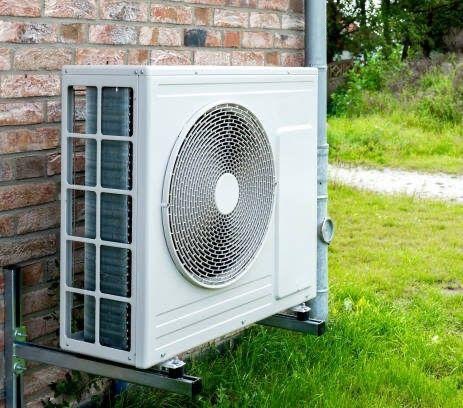
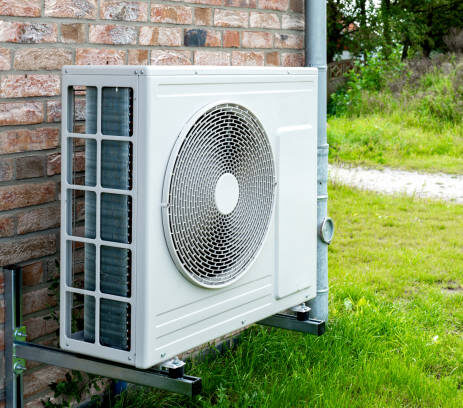
Outdoor heat pump equipment used for efficient year-round heating and cooling. | Image source: Cool Fox Heating & Air website
Heat Pump vs Furnace Seattle: Start With the Home, Not the Equipment
Seattle’s heating season is long enough that efficiency matters, yet winter temperatures are often moderate enough for modern air-source heat pumps to operate effectively. The same equipment can reverse operation during warm weather and provide air conditioning, which is increasingly valuable during summer heat events. A furnace delivers heat differently, using a burner or electric resistance elements to warm air before the blower distributes it through the ducts.
The right answer depends on more than the outdoor temperature. A townhouse with limited outdoor space, a 1920s home with partial ductwork, and a newer two-story home with a modern electrical panel may each call for a different design. Homeowners should also consider whether they want to eliminate combustion equipment, retain an existing furnace as backup, add cooling, or solve uneven temperatures with zoning or ductless equipment.
A useful starting point is a whole-home conversation rather than a product-only quote. Cool Fox Heating & Air provides heat pump installation services and can also coordinate furnace repair and installation when the project requires both trades. That integrated approach matters because comfort, airflow, controls, electrical capacity, and installation quality all influence the final result.
How Heat Pumps and Furnaces Produce Comfort
A heat pump transfers heat rather than creating it through combustion. In heating mode, refrigerant absorbs heat from outdoor air and moves it indoors. In cooling mode, the cycle reverses and moves heat out of the house. Because one system can serve both seasons, a heat pump may replace both a furnace and a conventional air conditioner, provided the equipment is selected and installed for the home’s design conditions.
A furnace creates heat and sends it through a duct system. Gas furnaces can deliver relatively warm supply air and may feel familiar to homeowners who prefer short, strong heating cycles. Electric furnaces avoid onsite combustion but typically rely on resistance heat, which operates differently from a heat pump. A dual-fuel design can combine a heat pump with a furnace, using controls to select the appropriate heat source under defined conditions.
For homeowners researching heat pump vs furnace Seattle, the practical lesson is that equipment specifications are only one part of the decision. The selected system must be compatible with the home, installed to manufacturer requirements, commissioned under real operating conditions, and explained clearly enough that the homeowner knows how to use it efficiently.
Five Factors That Usually Decide the Comparison
The following factors usually matter more than brand names or headline efficiency ratings:
- Existing infrastructure: condition of the ducts, furnace, air conditioner, gas connection, venting, condensate path, and electrical panel.
- Comfort goals: desire for cooling, quieter operation, steadier temperatures, zoning, filtration, or removal of cold rooms.
- Home performance: insulation levels, air leakage, window quality, ceiling height, sun exposure, and additions that may not match the original system.
- Project scope: whether the work is a direct replacement, full conversion, ductless addition, dual-fuel system, or combined HVAC and electrical project.
- Ownership horizon: expected years in the home, maintenance preferences, warranty value, and willingness to invest in improvements beyond the minimum replacement.
A Proper Load Calculation Is More Valuable Than Rule-of-Thumb Sizing
Heating equipment should be sized from a documented estimate of the home’s heating and cooling loads, not simply matched to the capacity printed on the old unit. Older systems may have been oversized, and the home may have changed through window replacements, insulation work, additions, air sealing, or remodeling. Oversizing can create short cycling, noise, temperature swings, and poor humidity control during cooling season.
The assessment should also examine how air reaches each room. If a bedroom is cold because a return path is missing or a supply duct is restricted, installing larger equipment may not correct the problem. For ductless heat pumps, the evaluation should consider indoor-unit placement, door positions, floor plan, line-set routing, drainage, and how heat will move between rooms.
A professional evaluation should leave the homeowner with clear choices rather than a vague recommendation. Each option should identify what is being replaced or retained, what supporting work is included, how comfort or reliability is expected to improve, and what assumptions could change the scope. Written clarity is especially important when multiple pieces of equipment, electrical changes, duct modifications, condensate routing, controls, or permits may be involved.
Seattle-Specific Considerations: Moisture, Cooling, Space, and Electrical Capacity
Seattle’s damp season makes drainage, outdoor-unit placement, and airflow around equipment important. The heat pump should sit where roof runoff, vegetation, debris, and confined clearances will not interfere with operation. Condensate lines and defrost water need a sensible path that will not create staining, icing, or unwanted moisture near foundations and walkways.
Cooling demand deserves attention even when heating is the immediate problem. Many Seattle homes were built without central air conditioning, and upper floors can become uncomfortable during sunny afternoons. A heat pump adds cooling as part of the same investment, while a furnace-only replacement does not. Homeowners comparing options should ask how each proposal addresses both winter and summer rooms.
Electrical capacity can influence the project. A heat pump may require a new dedicated circuit, disconnect, surge protection, or panel work, particularly when it is replacing gas equipment or being added to an older home. Cool Fox’s ability to coordinate HVAC and electrical upgrades in-house can simplify scheduling and reduce gaps between trades.
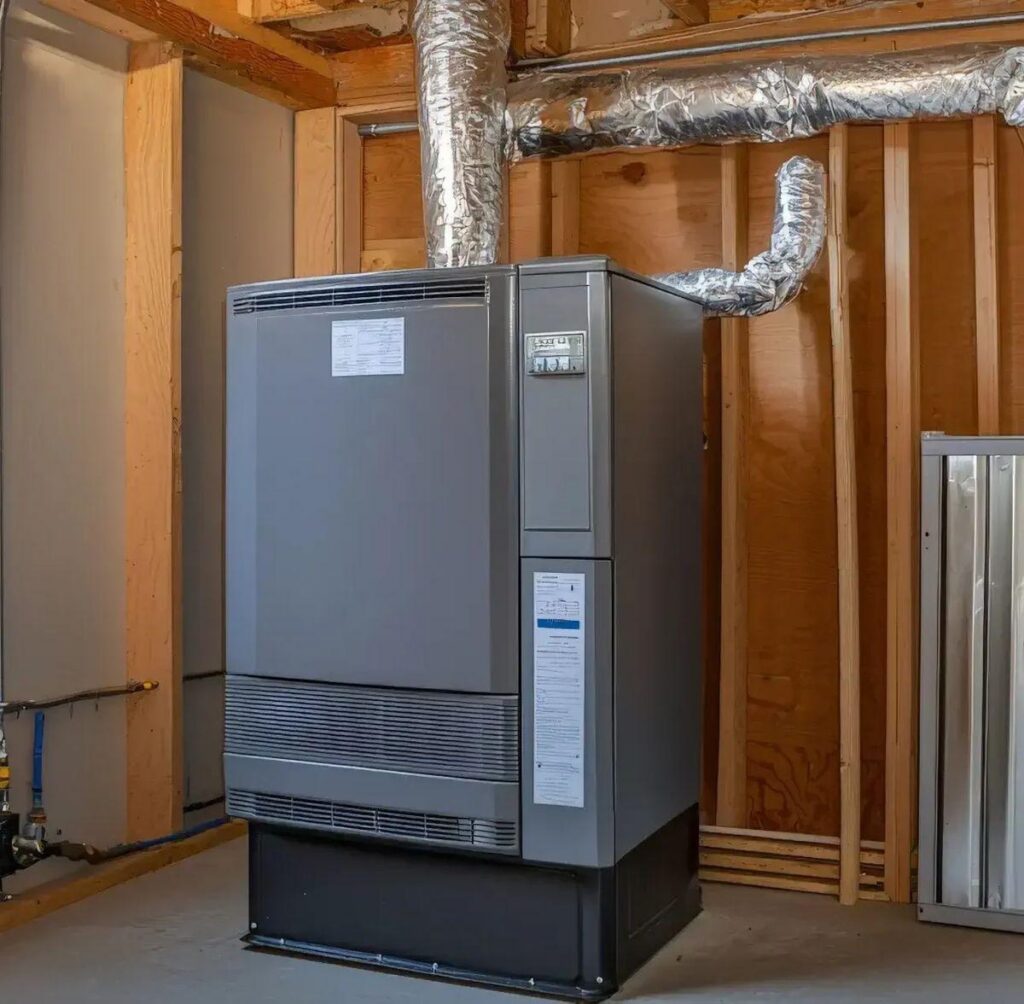
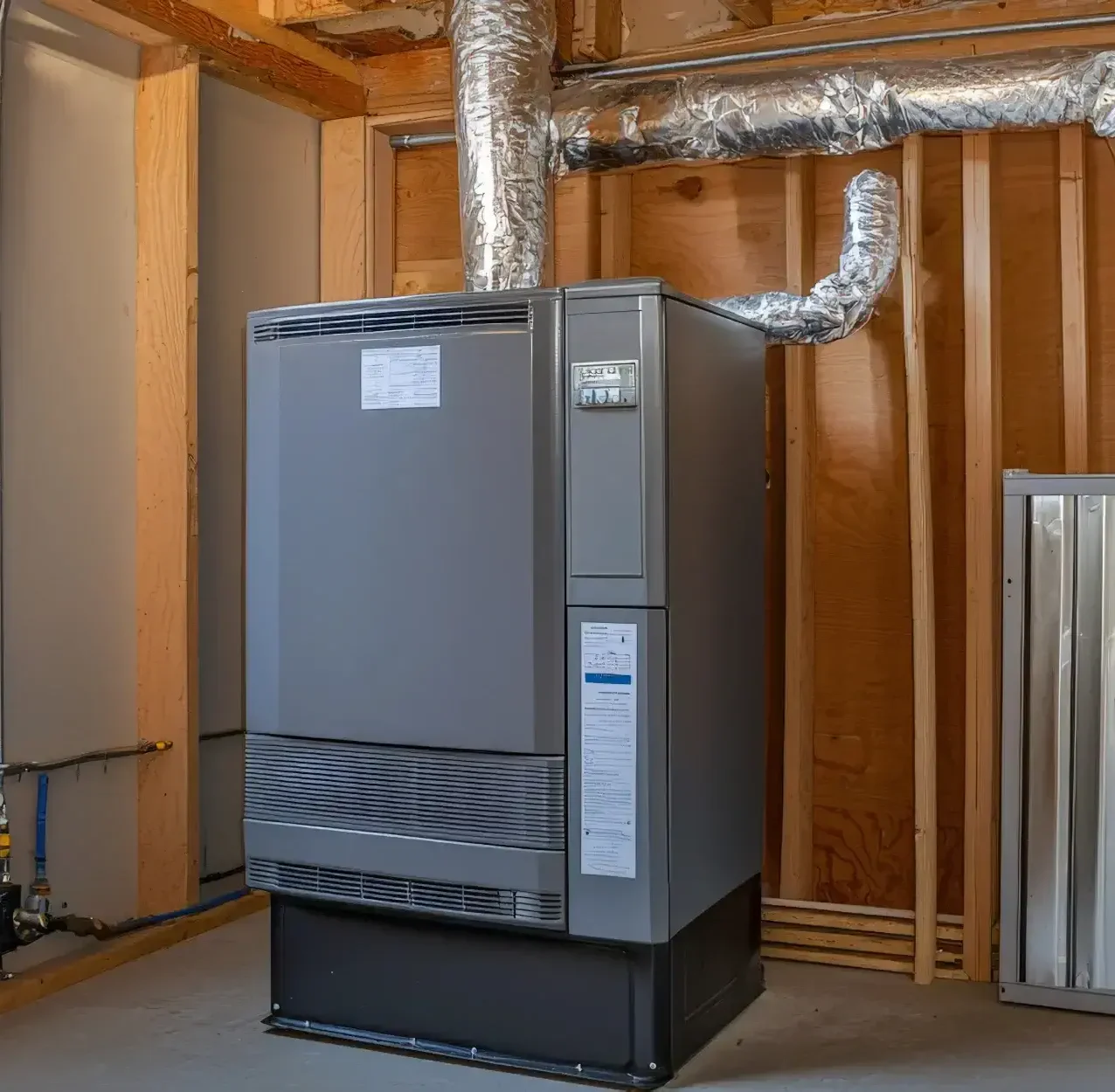
Professional furnace installation and mechanical system setup. | Image source: Cool Fox Heating & Air website
Compare Seasonal Performance, Not a Single Efficiency Number
Furnace efficiency is commonly discussed in terms of how much fuel energy becomes usable heat. Heat-pump performance is described through ratings that address heating and cooling efficiency, but actual operation still depends on outdoor conditions, system sizing, controls, airflow, and installation. Homeowners should request an explanation of the proposed equipment’s performance at Seattle winter temperatures rather than relying only on a brochure’s best-case rating.
Utility costs are another variable. The relevant comparison is not simply electricity versus gas; it is expected annual energy use under the home’s load, current utility rates, the efficiency of existing equipment, and whether cooling is being added. Removing a gas furnace may also change fixed service charges or future appliance plans, while keeping dual fuel can preserve flexibility at the cost of a more complex system.
Efficiency should be discussed as part of a complete operating system. Oversized equipment, restricted ducts, poor refrigerant setup, incorrect airflow, dirty filters, or controls that are not configured correctly can prevent high-efficiency equipment from delivering its rated potential. A balanced recommendation considers purchase price, expected use, comfort priorities, maintenance requirements, warranty terms, and the likely condition of the rest of the home.
Think in Terms of Total Project Cost and Long-Term Value
A furnace replacement may have a lower scope when the ducts, venting, gas supply, and electrical connection are already suitable. A heat-pump conversion may involve an outdoor unit, indoor coil or air handler, refrigerant piping, controls, drainage, electrical circuits, and possible panel work. Ductless projects involve different labor and finish considerations. Quotes should be compared line by line rather than by one bottom-line number.
Long-term value includes more than energy savings. A heat pump can add cooling, reduce the number of separate systems, and support electrification goals. A furnace may provide a familiar service model and strong heat output through existing ducts. The better investment is the option that solves the home’s real comfort problems with a scope the homeowner understands and can maintain.
The lowest initial price is not always the lowest long-term cost. A more complete comparison includes energy use, maintenance access, repair risk, warranty coverage, expected service life, comfort consistency, noise, and the possibility of future electrical or ductwork work. Homeowners should ask what is included in commissioning and how the contractor will document that the system is operating as designed.
Common Heat Pump vs Furnace Mistakes to Avoid
The comparison becomes less reliable when homeowners or contractors skip important questions. Avoid these common errors:
- Assuming the capacity of the old furnace is automatically the correct size for new equipment.
- Comparing equipment prices without comparing electrical, duct, control, permit, commissioning, and warranty scope.
- Ignoring the home’s need for summer cooling or treating cooling as an unrelated future project.
- Choosing an indoor or outdoor unit location before checking service access, drainage, noise, and airflow.
- Expecting new equipment to fix duct restrictions, missing returns, or insulation problems without addressing them.
- Selecting solely by rebate eligibility instead of first confirming that the system fits the home and comfort goals.
A Practical Decision Checklist for Seattle Homeowners
Before approving a proposal, gather the information needed for an apples-to-apples decision:
- List the rooms that are too hot, too cold, noisy, stuffy, or difficult to control.
- Collect one year of utility bills when available and note any recent changes in occupancy or thermostat settings.
- Ask whether the contractor performed or reviewed heating and cooling load calculations.
- Confirm whether the proposal includes electrical work, permits, equipment pads, line-set routing, drainage, controls, startup, and homeowner training.
- Request the exact equipment model numbers, warranty terms, maintenance expectations, and estimated installation timeline.
- Discuss whether central, ductless, or dual-fuel design best matches the floor plan and existing infrastructure.
What a Well-Managed Upgrade Should Look Like
A professional project begins with an onsite assessment and a clear conversation about priorities. The proposal should distinguish necessary work from optional improvements. During installation, the crew should protect finished surfaces, maintain safe work areas, coordinate electrical and mechanical steps, and keep the homeowner informed about any field condition that changes the plan.
Commissioning is the final quality step. The contractor should verify airflow, temperature change, controls, refrigerant setup when applicable, drainage, electrical operation, and equipment response in available modes. The homeowner should receive filter guidance, thermostat instructions, maintenance recommendations, warranty information, and a clear explanation of what normal operation sounds and feels like.
Cool Fox describes its process as straightforward: schedule a consultation, review clear options, and complete the work with clean professional installation. Homeowners can request a free estimate to discuss the home, current equipment, comfort concerns, and project goals before deciding whether heat pump vs furnace Seattle is the right next step.
Frequently Asked Questions
Is a heat pump powerful enough for a Seattle winter?
Modern heat pumps can serve many Seattle homes effectively when they are sized for the home’s load and installed correctly. Some homes benefit from supplemental or dual-fuel heat depending on construction, comfort expectations, and design conditions.
Will a heat pump replace both my furnace and air conditioner?
It can. A central heat pump can often provide both heating and cooling through existing ducts, while ductless systems can condition selected zones. The duct system, electrical capacity, and load calculation should be reviewed first.
Is a furnace cheaper than a heat pump?
A furnace-only replacement may have a smaller initial scope, but the comparison changes when cooling, electrical work, fuel costs, efficiency, and long-term maintenance are included. Request complete proposals rather than comparing equipment prices alone.
Can I keep my furnace and add a heat pump?
Yes. A dual-fuel system can use a heat pump for much of the year and a furnace under selected conditions. Controls and equipment compatibility are important, so the design should be evaluated as one system.
How do I choose a contractor for heat pump vs furnace Seattle projects?
Look for a contractor that evaluates the home, explains sizing, includes electrical and duct considerations, provides model numbers and written scope, performs commissioning, and avoids pressuring you into one technology before inspecting the property.
Talk With a Local HVAC and Electrical Team
A heating upgrade should make the home easier to live in, not create a new set of unanswered questions. Cool Fox Heating & Air can compare heat-pump, furnace, and supporting electrical options for Seattle homeowners and provide a clear written scope. Explore the company’s complete HVAC and electrical services or schedule a consultation to begin with an onsite assessment.
External Sources
- U.S. Department of Energy – Heat Pumps
- Seattle City Light – Heating and Cooling Your Home
- ENERGY STAR – HVAC Quality Installation
Editorial note: External sources are provided for reader education. Availability of incentives, permits, equipment, and utility programs can change; verify current requirements before publication.