

Heat-pump planning often raises an immediate question: is the existing electrical panel large enough? The answer cannot be determined from the panel label or the heat-pump brochure alone. A complete electrical panel upgrade Tacoma assessment considers the home’s calculated load, panel condition, breaker space, exact outdoor and indoor equipment, auxiliary heat, circuit routes, and local utility or permitting steps. Cool Fox Heating & Air offers both electrical upgrades and heat pump installation, allowing the electrical design to be based on the actual mechanical system.
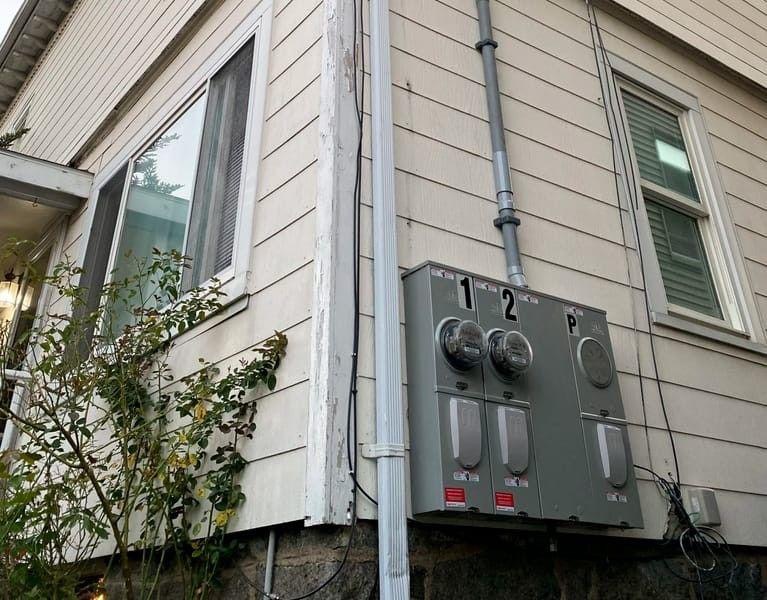
Residential electrical panel upgrade with organized labeled circuits. | Image source: Cool Fox Heating & Air website
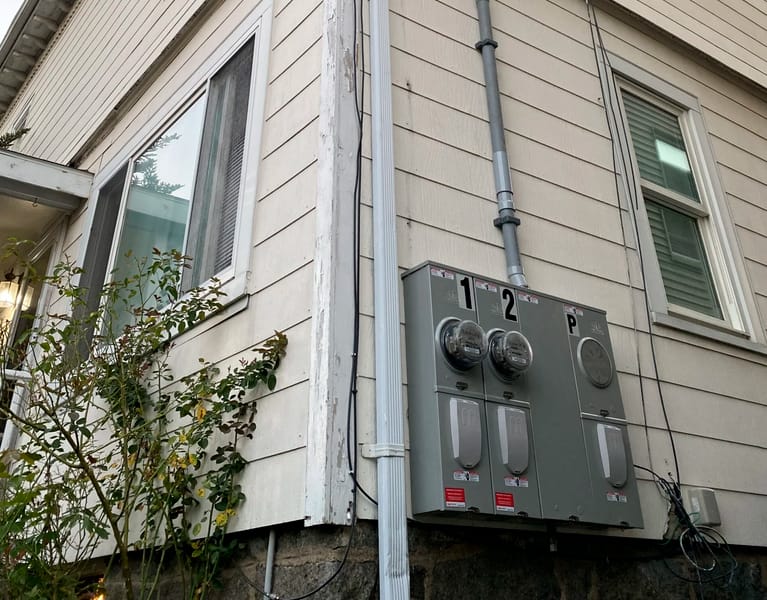
Electrical Panel Upgrade Tacoma: Start With Exact Equipment Data
Different heat-pump configurations create different demands. A small ductless unit may need one modest circuit. A central heat pump with an air handler and electric auxiliary heat may require multiple circuits and a much larger calculated load. A dual-fuel system may retain gas backup and use less electric resistance heat. The assessment should use model-specific nameplate and installation data.
Tacoma housing includes older homes that may have limited service, remodeled properties with added circuits, and newer homes with substantial existing loads. Electric water heating, cooking, vehicle charging, spas, workshops, and accessory dwelling units can influence available capacity. An unused breaker space does not prove that the service can accept another major load.
A useful starting point is a whole-home conversation rather than a product-only quote. Cool Fox Heating & Air provides electrical upgrade services and can also coordinate heat pump installation services when the project requires both trades. That integrated approach matters because comfort, airflow, controls, electrical capacity, and installation quality all influence the final result.
How Professionals Determine Available Electrical Capacity
The electrician reviews service size, connected loads, demand calculations, panel bus and breaker ratings, conductor condition, grounding, bonding, and equipment compatibility. The process may use permitted load-calculation methods rather than assuming that every appliance operates at full power simultaneously. The result should be a defensible design for the specific property.
Physical condition is equally important. Heat damage, corrosion, loose connections, obsolete components, improper modifications, or a panel that cannot accept listed breakers can change the recommendation. Sometimes the service has enough calculated capacity but the project still needs a subpanel, circuit reorganization, new disconnect, surge protection, or conductor routing work.
For homeowners researching electrical panel upgrade Tacoma, the practical lesson is that equipment specifications are only one part of the decision. The selected system must be compatible with the home, installed to manufacturer requirements, commissioned under real operating conditions, and explained clearly enough that the homeowner knows how to use it efficiently.
When a Panel or Service Upgrade Becomes More Likely
These conditions make a larger electrical scope more likely, though each still requires inspection:
- The panel has no practical breaker spaces and cannot be expanded safely with listed components.
- The heat-pump plan includes significant electric auxiliary or emergency heat.
- The home already uses several large electric appliances or vehicle charging.
- The service, panel, meter equipment, grounding, or conductors are outdated, damaged, or incompatible with the planned work.
- A renovation, addition, accessory dwelling unit, or future electrification project should be coordinated with the HVAC upgrade.
- The conductor route to the outdoor or indoor equipment is long, obstructed, or requires substantial finish access.
Auxiliary Heat Must Be Included in the Calculation
A common planning error is evaluating only the outdoor heat-pump unit. Central systems may also include an indoor air handler, electric heat strips, controls, condensate equipment, service outlets, and other loads. Auxiliary heat can have a much larger electrical demand than normal compressor operation and must be addressed in circuit and service planning.
The mechanical design can influence electrical scope. Better load calculation, appropriate heat-pump selection, home air sealing, duct improvements, or a dual-fuel strategy may change the backup-heat requirement. Any alternative must still meet comfort and safety goals. Electrical limitations should prompt coordinated design, not shortcuts in overcurrent protection or heating capacity.
A professional evaluation should leave the homeowner with clear choices rather than a vague recommendation. Each option should identify what is being replaced or retained, what supporting work is included, how comfort or reliability is expected to improve, and what assumptions could change the scope. Written clarity is especially important when multiple pieces of equipment, electrical changes, duct modifications, condensate routing, controls, or permits may be involved.
Tacoma Power, Permits, and Scheduling Considerations
Panel replacements and service modifications may require electrical permits, inspection, and coordination with the serving utility. Utility involvement can include meter access, service requirements, disconnect and reconnect procedures, or changes to overhead or underground service. The exact process depends on the address and scope.
Homeowners should ask who submits permits, who coordinates with Tacoma Power or another serving utility, and how the HVAC schedule depends on those steps. A project may require advance planning even when the physical panel work can be completed quickly. The proposal should address power-outage expectations and access to occupied areas.
Tacoma Power may offer current information or incentives related to heat pumps and electrical projects. Program terms can change, so eligibility should be confirmed directly before making a purchase decision. Incentives are valuable only after the system design is appropriate for the home.
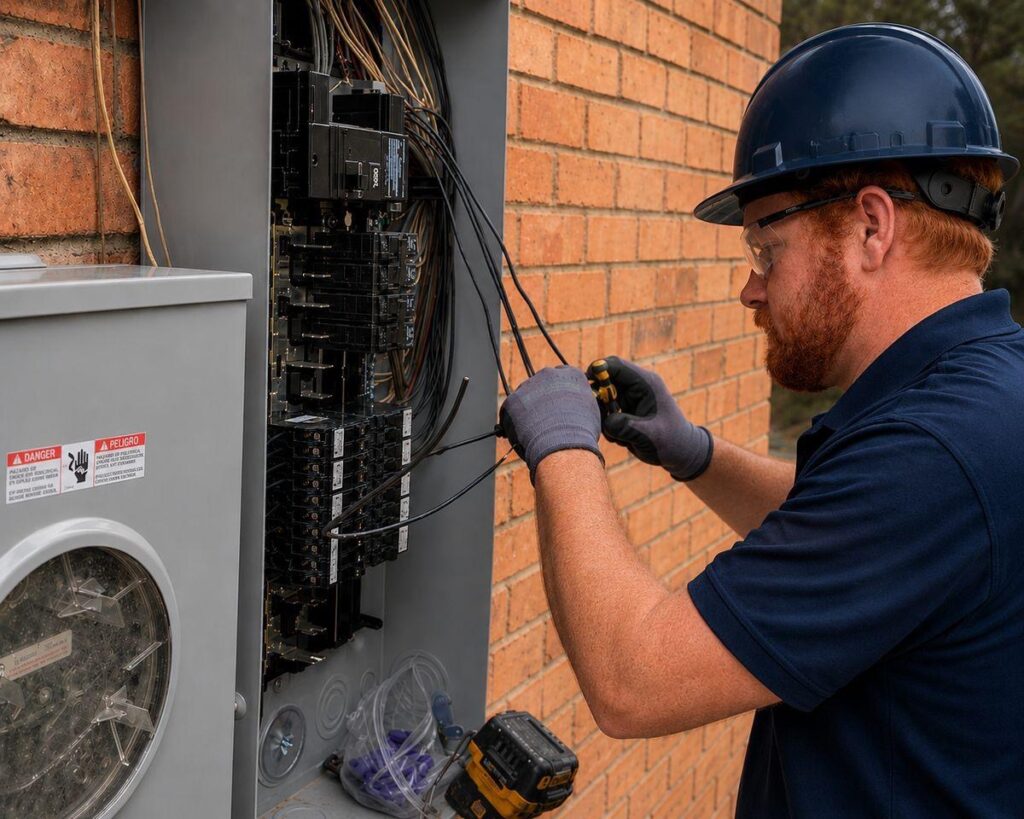
Cool Fox electrical technician coordinating power for HVAC equipment. | Image source: Cool Fox Heating & Air website
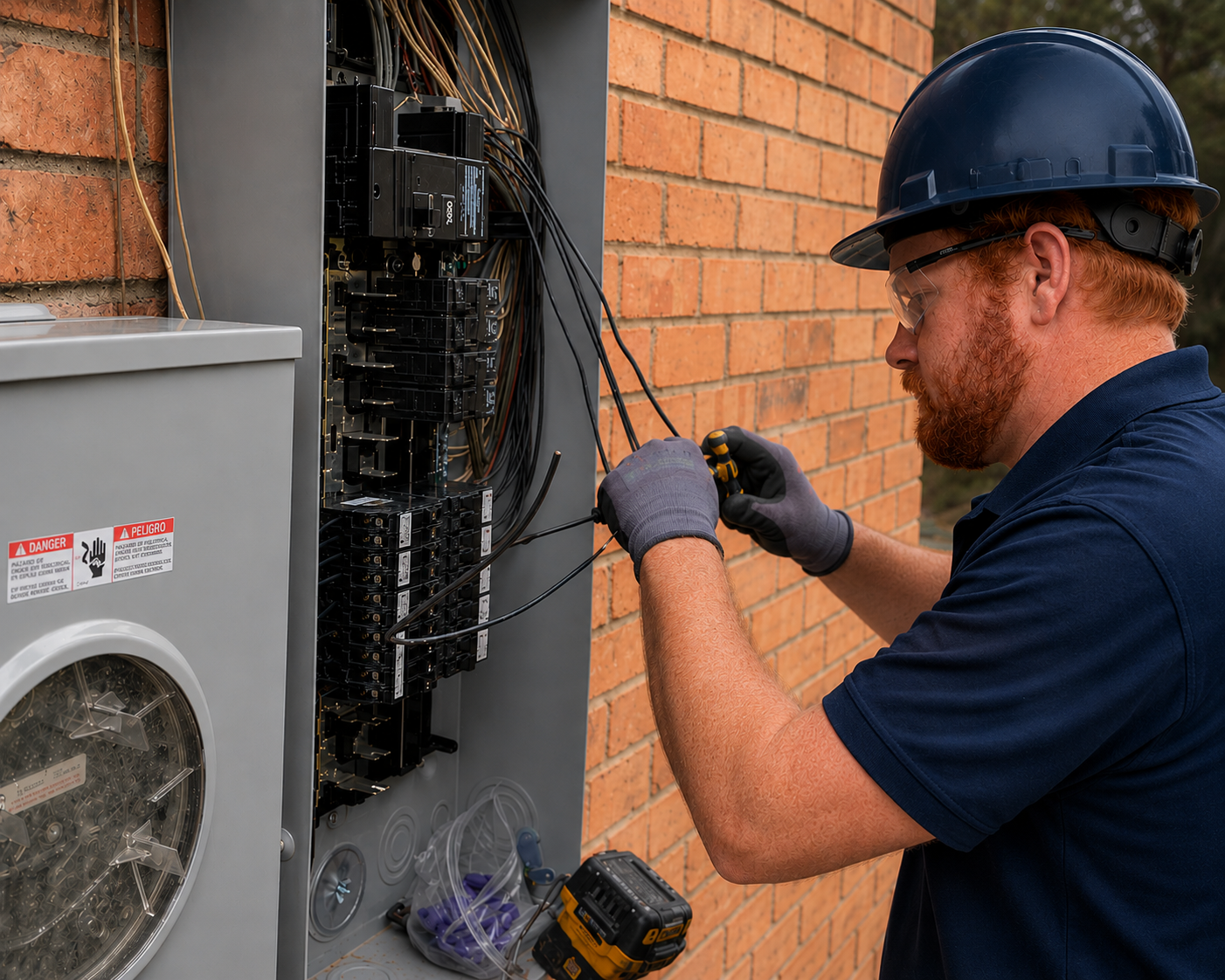
Electrical Quality Protects Modern Inverter Equipment
Many modern heat pumps use inverter-driven compressors and sophisticated control boards. Correct voltage, conductor sizing, terminations, grounding, breaker protection, disconnects, and surge strategy support reliable operation. Poor connections and voltage problems can create faults or component stress even when the equipment itself is correctly selected.
The electrician and HVAC technician should coordinate startup. The electrical team confirms the supply and protection, while the HVAC team verifies controls, airflow, refrigerant operation, backup heat, and thermostat configuration. The homeowner benefits when responsibility for an issue is not passed between unrelated contractors.
Efficiency should be discussed as part of a complete operating system. Oversized equipment, restricted ducts, poor refrigerant setup, incorrect airflow, dirty filters, or controls that are not configured correctly can prevent high-efficiency equipment from delivering its rated potential. A balanced recommendation considers purchase price, expected use, comfort priorities, maintenance requirements, warranty terms, and the likely condition of the rest of the home.
What Drives the Cost of a Tacoma Panel Upgrade
A simple HVAC circuit differs greatly from a main panel replacement or full service modification. Cost can be affected by panel location, service type, meter equipment, grounding, conductor length, trenching, mast work, wall access, utility standards, permits, surge protection, circuit labeling, and restoration. A site-specific proposal is necessary.
Homeowners should request a scope that separates required work from future-ready options. For example, a larger panel enclosure may improve circuit space without increasing service capacity, while a full service upgrade changes additional components. Load management may be an option in some projects. The contractor should explain benefits and limitations rather than present every upgrade as mandatory.
The lowest initial price is not always the lowest long-term cost. A more complete comparison includes energy use, maintenance access, repair risk, warranty coverage, expected service life, comfort consistency, noise, and the possibility of future electrical or ductwork work. Homeowners should ask what is included in commissioning and how the contractor will document that the system is operating as designed.
Electrical Panel and Heat-Pump Planning Mistakes
Avoid these issues before equipment is ordered:
- Assuming the panel’s main-breaker rating equals unused available capacity.
- Ignoring air-handler and auxiliary-heat circuits while evaluating only the outdoor unit.
- Selecting equipment before confirming circuit routes, disconnect location, and panel compatibility.
- Using unlisted breakers, unsafe tandem arrangements, or repeated breaker resets to avoid proper work.
- Failing to account for future EV charging, water heating, cooking, or addition plans.
- Scheduling HVAC installation without confirming permit, inspection, and utility timing for service work.
A Tacoma Homeowner Coordination Checklist
Ask the HVAC and electrical team to document the following:
- Exact model numbers and electrical requirements for outdoor, indoor, and backup-heat equipment.
- The load calculation conclusion and condition of the existing panel and service.
- Whether the work is a branch circuit, subpanel, panel replacement, service upgrade, or combination.
- Permit, utility, inspection, outage, and scheduling responsibilities.
- Conductor routes, disconnects, surge protection, grounding, labeling, and finish access.
- Future loads that may influence panel layout or service strategy.
What Completion Should Look Like
At the end of electrical work, circuits should be correctly terminated and labeled, panel covers secured, grounding and bonding completed as applicable, and the work area cleaned. Required inspections should be addressed and the homeowner should understand any remaining utility or finish-restoration steps.
The heat pump should then be commissioned as a complete system. The team should verify that the outdoor unit, indoor blower, thermostat, auxiliary heat, disconnects, and safeties respond correctly. Homeowner instruction should explain normal operation, filters, thermostat settings, maintenance, and what to do if a breaker trips.
Cool Fox describes its process as straightforward: schedule a consultation, review clear options, and complete the work with clean professional installation. Homeowners can request a free estimate to discuss the home, current equipment, comfort concerns, and project goals before deciding whether electrical panel upgrade Tacoma is the right next step.
Frequently Asked Questions
Does a Tacoma heat pump require 200-amp service?
Not necessarily. Required capacity depends on the home’s existing loads, equipment design, auxiliary heat, and calculation. Some systems fit smaller services; some homes with 200 amps still need planning.
Can a subpanel avoid a main panel upgrade?
A subpanel can add circuit space but does not create additional service capacity. It may be useful when the load calculation supports the added equipment and the existing service is suitable.
Why does electric backup heat matter so much?
Resistance heat can draw substantial power. Its circuit and calculated load may exceed that of the heat-pump compressor, so it must be included early.
Who coordinates Tacoma Power for a service upgrade?
The responsible contractor should explain the process and scope. Utility and permit requirements depend on the project and address, so responsibilities should be written into the proposal.
Should I upgrade for a future EV charger at the same time?
Mention future plans during the assessment. The right approach may be added capacity, panel space, conduit planning, or load management, depending on the home.
Talk With a Local HVAC and Electrical Team
Electrical planning should confirm what the home needs, not default to the largest possible project. Cool Fox Heating & Air can coordinate heat-pump specifications, load assessment, circuits, panel work, and HVAC commissioning for Tacoma homeowners. Review electrical upgrade services, explore heat pump installation, or request an estimate.
External Sources
- Tacoma Public Utilities – Electrical Installation Requirements
- Tacoma Public Utilities – New or Modified Electrical Service
- Tacoma Power – Heat Pump Information and Incentives
Editorial note: External sources are provided for reader education. Availability of incentives, permits, equipment, and utility programs can change; verify current requirements before publication.