

HVAC equipment rarely fails according to a convenient schedule. A furnace may still run but need repeated service; an air conditioner may cool the main floor but not the bedrooms; or a heat pump may become noisy and rely on backup heat more often. Deciding when to replace requires more than age alone. This HVAC replacement Issaquah guide identifies seven practical signs that the home’s current system may no longer be the best long-term choice. Cool Fox Heating & Air provides HVAC system replacement and maintenance and tune-up services, allowing homeowners to compare a repair path with a complete upgrade based on documented condition.
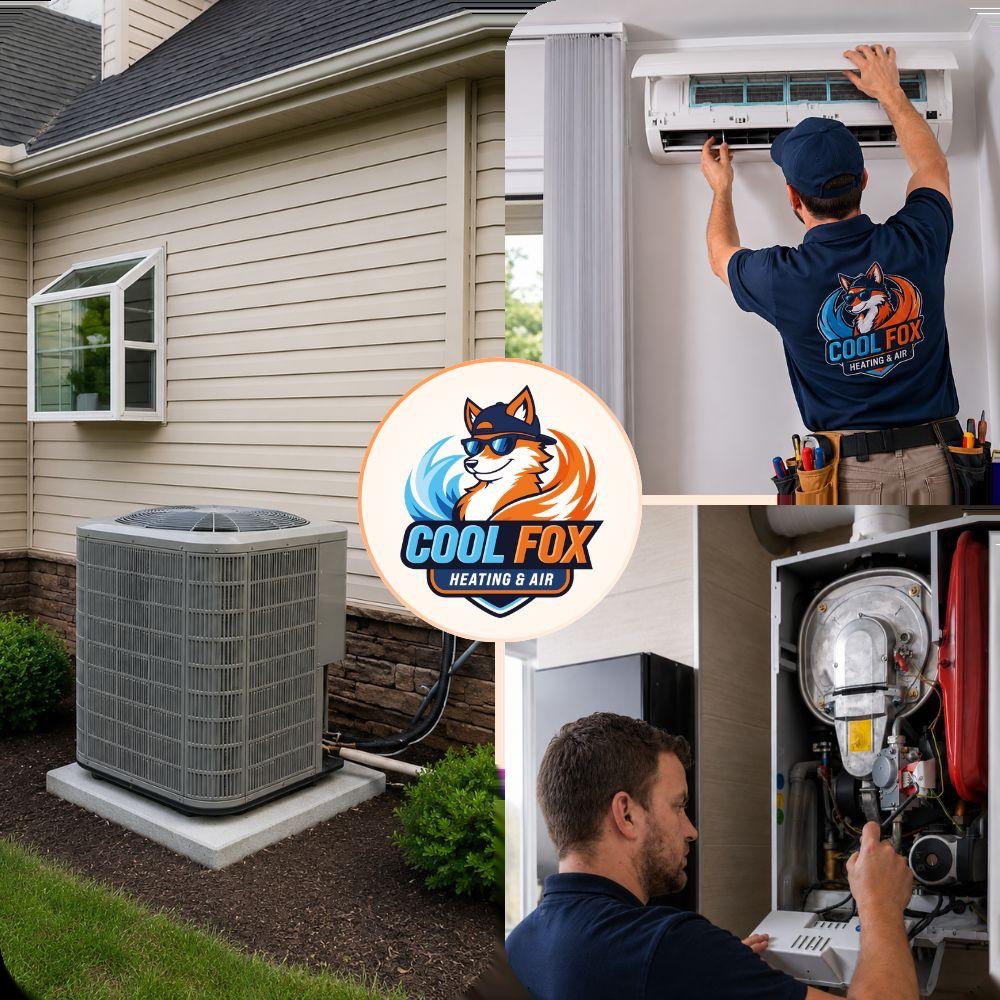
Cool Fox Heating & Air project and service imagery. | Image source: Cool Fox Heating & Air website

HVAC Replacement Issaquah: Replacement Is a Planning Decision
Issaquah homes experience long heating seasons, damp weather, occasional hot summer periods, and varying exposure based on elevation, trees, and sun. Equipment that once seemed adequate may no longer meet expectations after a remodel, household change, home-office addition, or shift toward year-round cooling. Replacement planning should consider what the homeowner wants the next system to accomplish, not only what the old one did.
Age remains relevant because wear, refrigerant type, part availability, controls, and warranty status change over time. However, a maintained older system that serves the home well may not need immediate replacement, while a newer but poorly sized or badly installed system can justify redesign. An honest assessment should distinguish equipment failure from duct, electrical, control, or building-envelope problems.
A useful starting point is a whole-home conversation rather than a product-only quote. Cool Fox Heating & Air provides HVAC system replacement and can also coordinate HVAC maintenance and tune-ups when the project requires both trades. That integrated approach matters because comfort, airflow, controls, electrical capacity, and installation quality all influence the final result.
Seven Signs Your Home May Be Ready for Replacement
The first sign is a pattern of repairs rather than one isolated failure. Replacing a single worn component can be sensible. Repeated electrical, refrigerant, blower, ignition, control, or compressor problems suggest that the homeowner is paying to preserve a system with declining reliability. Service records are valuable because they show whether failures are related or simply normal maintenance.
The second sign is lost comfort. Longer runtimes, uneven rooms, poor airflow, excessive noise, or inability to maintain temperature during typical weather may indicate declining performance or an original design that no longer fits the home. Before recommending replacement, a contractor should verify filters, ducts, controls, airflow, and load so the new equipment does not repeat the same problem.
For homeowners researching HVAC replacement Issaquah, the practical lesson is that equipment specifications are only one part of the decision. The selected system must be compatible with the home, installed to manufacturer requirements, commissioned under real operating conditions, and explained clearly enough that the homeowner knows how to use it efficiently.
The Remaining Five Replacement Signs
Look for these additional indicators when evaluating the system as a whole:
- Energy use is trending upward even though weather, occupancy, thermostat settings, and utility rates do not fully explain the change.
- The system starts unpredictably, trips breakers, produces unusual odors, leaks, freezes, or creates safety concerns that require prompt diagnosis.
- Major components or compatible refrigerants are expensive, restricted, obsolete, or difficult to source.
- The home needs cooling, zoning, filtration, quieter operation, or electrification that the existing system cannot reasonably provide.
- A major repair estimate approaches a meaningful portion of replacement cost while the remaining equipment is old, out of warranty, or in poor condition.
Repair-or-Replace Analysis Should Be Written and Specific
A useful comparison identifies the failed component, likely cause, repair price, warranty, expected remaining risks, and whether the repair restores normal performance or merely keeps the system running. Replacement options should identify all equipment, supporting work, efficiency levels, and changes to comfort or functionality. Vague statements such as ‘too old to fix’ are not enough.
The contractor should inspect the distribution system and electrical infrastructure. If poor return air, leaking ducts, incorrect drainage, undersized wiring, or an overloaded panel contributed to problems, those conditions need to be included in the replacement plan. Otherwise, new equipment can inherit the same stress and comfort complaints.
A professional evaluation should leave the homeowner with clear choices rather than a vague recommendation. Each option should identify what is being replaced or retained, what supporting work is included, how comfort or reliability is expected to improve, and what assumptions could change the scope. Written clarity is especially important when multiple pieces of equipment, electrical changes, duct modifications, condensate routing, controls, or permits may be involved.
Issaquah Site Conditions and Home Design Matter
Properties near wooded areas can expose outdoor units to leaves, needles, pollen, shade, moss, and moisture. Replacement planning should improve service access and airflow where the old location is cramped or difficult. Roof runoff and surface drainage should not discharge onto or under equipment.
Sloped lots, daylight basements, tall entries, and multi-level plans can create different temperature zones. The replacement assessment should ask which rooms are difficult at which times of day. A central system, zoning, duct modifications, or ductless additions may be considered depending on the pattern.
Electrical capacity deserves early review, especially when converting from gas heat to a heat pump or adding auxiliary electric heat. Cool Fox can coordinate electrical upgrades with mechanical replacement, reducing the risk that panel or circuit needs are discovered after equipment selection.
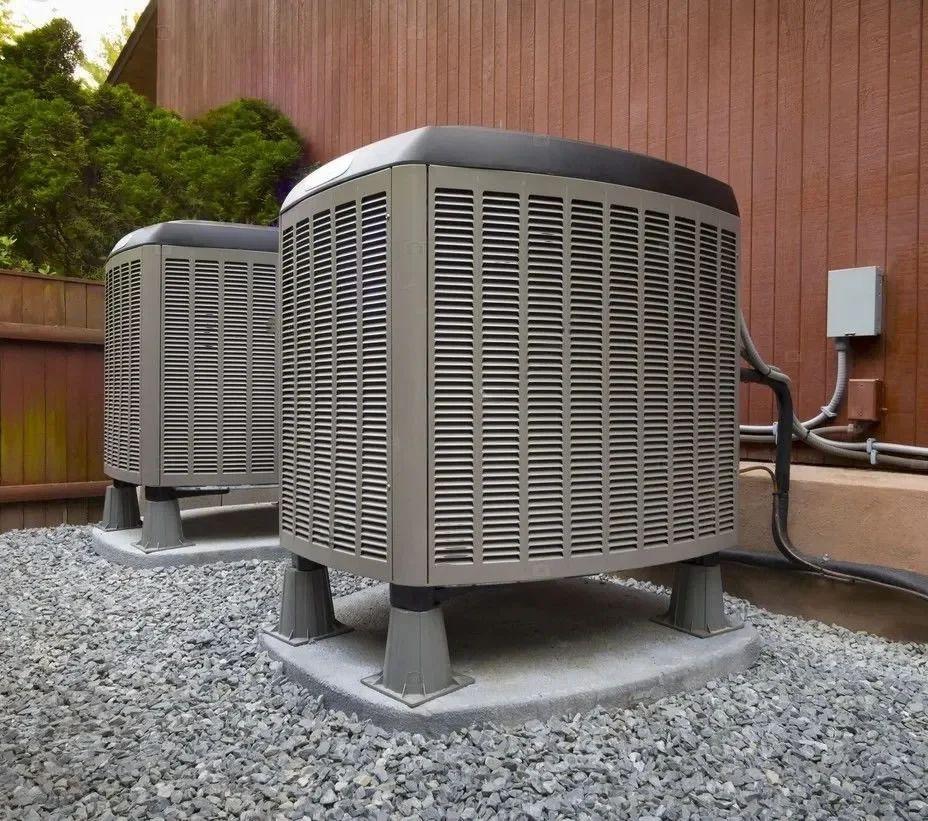
Replacement HVAC equipment installed with proper clearances. | Image source: Cool Fox Heating & Air website
New Efficiency Ratings Matter Only With Quality Design and Installation
Modern equipment can reduce energy use compared with an aging or inefficient system, but savings are not guaranteed by a label. Correct sizing, duct airflow, refrigerant commissioning, control settings, filter resistance, and homeowner operation influence actual performance. The contractor should explain assumptions rather than promise a fixed utility reduction.
Replacement can also improve comfort through variable-speed operation, better blower control, quieter equipment, zoning, and more consistent temperatures. These benefits should be connected to the home’s needs. Premium features have little value if the ducts cannot support airflow or if the thermostat is placed where it does not represent occupied rooms.
Efficiency should be discussed as part of a complete operating system. Oversized equipment, restricted ducts, poor refrigerant setup, incorrect airflow, dirty filters, or controls that are not configured correctly can prevent high-efficiency equipment from delivering its rated potential. A balanced recommendation considers purchase price, expected use, comfort priorities, maintenance requirements, warranty terms, and the likely condition of the rest of the home.
Budget for the Full Replacement Scope
The proposal may include an outdoor unit, furnace or air handler, indoor coil, thermostat, line set, pad, condensate work, venting, gas changes, electrical circuits, panel work, duct transitions, permits, haul-away, startup, and warranty registration. Homeowners should understand which parts are included and which are allowances.
Replacement timing can reduce emergency pressure. Planning before complete failure allows time to compare designs, address electrical work, verify permits, and prepare the home. It can also avoid purchasing equipment solely because it is immediately available during an extreme-weather breakdown. Financing and incentives may help, but current terms should be verified before publication or commitment.
The lowest initial price is not always the lowest long-term cost. A more complete comparison includes energy use, maintenance access, repair risk, warranty coverage, expected service life, comfort consistency, noise, and the possibility of future electrical or ductwork work. Homeowners should ask what is included in commissioning and how the contractor will document that the system is operating as designed.
HVAC Replacement Mistakes That Create Repeat Problems
A replacement should correct the underlying system, not just swap boxes. Avoid these mistakes:
- Matching the old equipment size without a new load and airflow review.
- Replacing an outdoor unit while ignoring an incompatible or failing indoor component.
- Choosing the lowest bid without comparing model numbers, warranties, electrical work, ducts, permits, and commissioning.
- Assuming every comfort problem is caused by equipment rather than distribution or building-envelope conditions.
- Waiting until complete failure leaves no time to evaluate panel upgrades, equipment locations, or different system types.
- Selecting advanced equipment without a maintenance plan or clear explanation of controls and filter requirements.
A Replacement Planning Checklist for Issaquah Homeowners
Use the following steps to prepare for a productive estimate:
- Gather repair invoices, equipment model and serial numbers, warranties, and recent utility history.
- Write down comfort problems by room, season, weather, and time of day.
- Ask for both a repair option and replacement options when a safe, meaningful repair is available.
- Confirm load calculations, duct review, electrical capacity, drainage, and outdoor-unit location.
- Compare exact equipment, scope, permit responsibilities, warranty, financing, and commissioning procedures.
- Discuss how long the home is likely to be owned and which features provide practical value during that period.
What a Professional HVAC Replacement Process Should Look Like
The process should begin with an assessment, not a sales script. The contractor should explain why each option fits the home, disclose supporting work, and provide a written proposal. Once scheduled, the team should protect floors and finishes, maintain a clean work area, remove old equipment responsibly, and communicate any hidden conditions before changing scope.
Final startup should include operational testing, airflow and control setup, electrical checks, drainage verification, and refrigerant commissioning when applicable. The homeowner should receive thermostat instruction, filter guidance, maintenance recommendations, equipment documentation, and warranty information. A replacement is not complete merely because the unit turns on.
Cool Fox describes its process as straightforward: schedule a consultation, review clear options, and complete the work with clean professional installation. Homeowners can request a free estimate to discuss the home, current equipment, comfort concerns, and project goals before deciding whether HVAC replacement Issaquah is the right next step.
Frequently Asked Questions
How old is too old for an HVAC system?
There is no universal cutoff. Age should be considered with maintenance history, repair frequency, condition, efficiency, comfort, part availability, and warranty status.
Should I replace my furnace and air conditioner together?
It can be beneficial when components are matched, both are aging, or the project changes the system type. A contractor should evaluate compatibility, remaining life, and total scope rather than applying a blanket rule.
Can duct problems make new HVAC equipment perform poorly?
Yes. Restricted, leaking, undersized, or unbalanced ducts can reduce airflow and create uneven comfort. The replacement assessment should include the distribution system.
Is a heat pump a good HVAC replacement option in Issaquah?
A modern heat pump can be a strong option for many homes because it provides heating and cooling. Suitability depends on load, ducts or zoning, electrical capacity, backup strategy, and comfort goals.
When should I request replacement estimates?
Begin before the system becomes an emergency when repairs are increasing, performance is declining, or a major component is at risk. Planning provides time to compare complete designs.
Talk With a Local HVAC and Electrical Team
Replacement is most successful when homeowners have time to compare a repair with complete, well-explained upgrade options. Cool Fox Heating & Air can evaluate equipment condition, comfort, ducts, electrical capacity, and replacement paths for Issaquah homes. Review HVAC system replacement or request an onsite estimate.
External Sources
- ENERGY STAR – When Is It Time to Replace?
- ENERGY STAR – HVAC Quality Installation
- U.S. Department of Energy – Energy Saver Guide to Home Heating and Cooling
Editorial note: External sources are provided for reader education. Availability of incentives, permits, equipment, and utility programs can change; verify current requirements before publication.