

Heat Pump vs Central Air Sammamish: A Homeowner Comparison
Heat pumps and central air conditioners use similar refrigeration principles, and their outdoor units can look nearly identical. The important difference is what happens when the weather turns cool: a heat pump can reverse operation and heat the home, while a conventional central air conditioner remains a cooling-only system paired with a furnace or another heat source. This heat pump vs central air Sammamish comparison helps homeowners decide whether they are solving a summer-only problem or planning a broader comfort upgrade. Cool Fox Heating & Air provides both heat pump installation and air conditioning installation and replacement, so the recommendation can be built around the home and existing equipment.
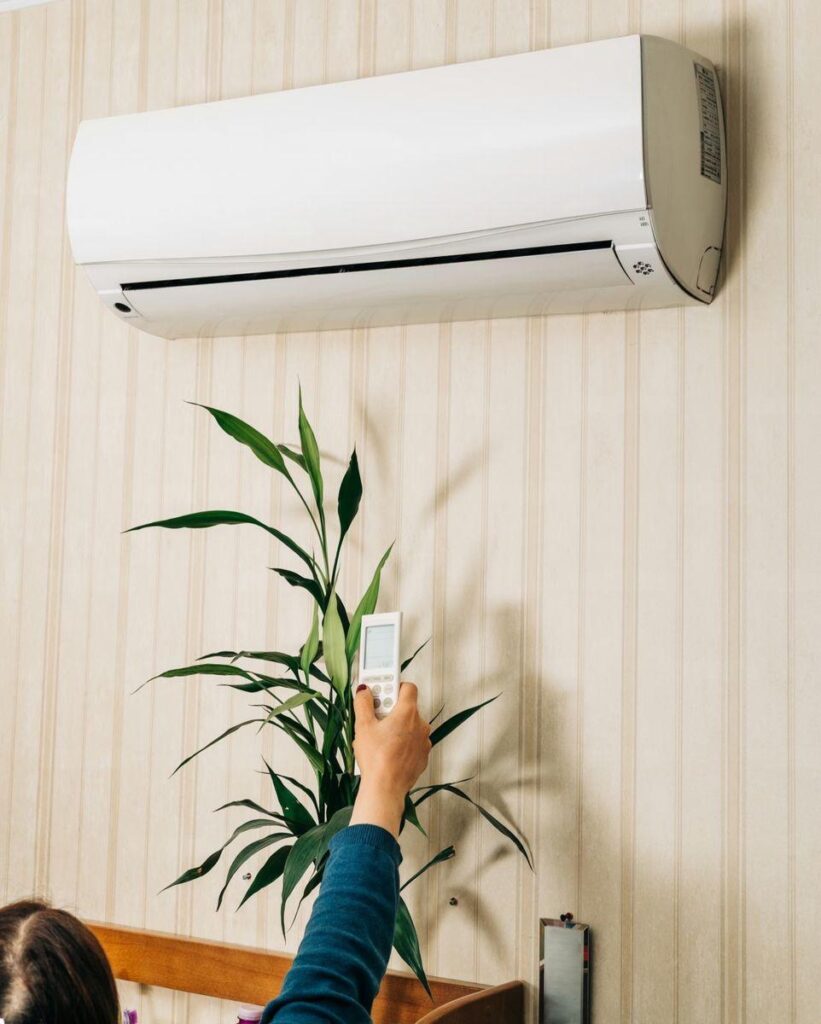
Wall-mounted ductless heat pump serving a targeted home comfort zone. | Image source: Cool Fox Heating & Air website
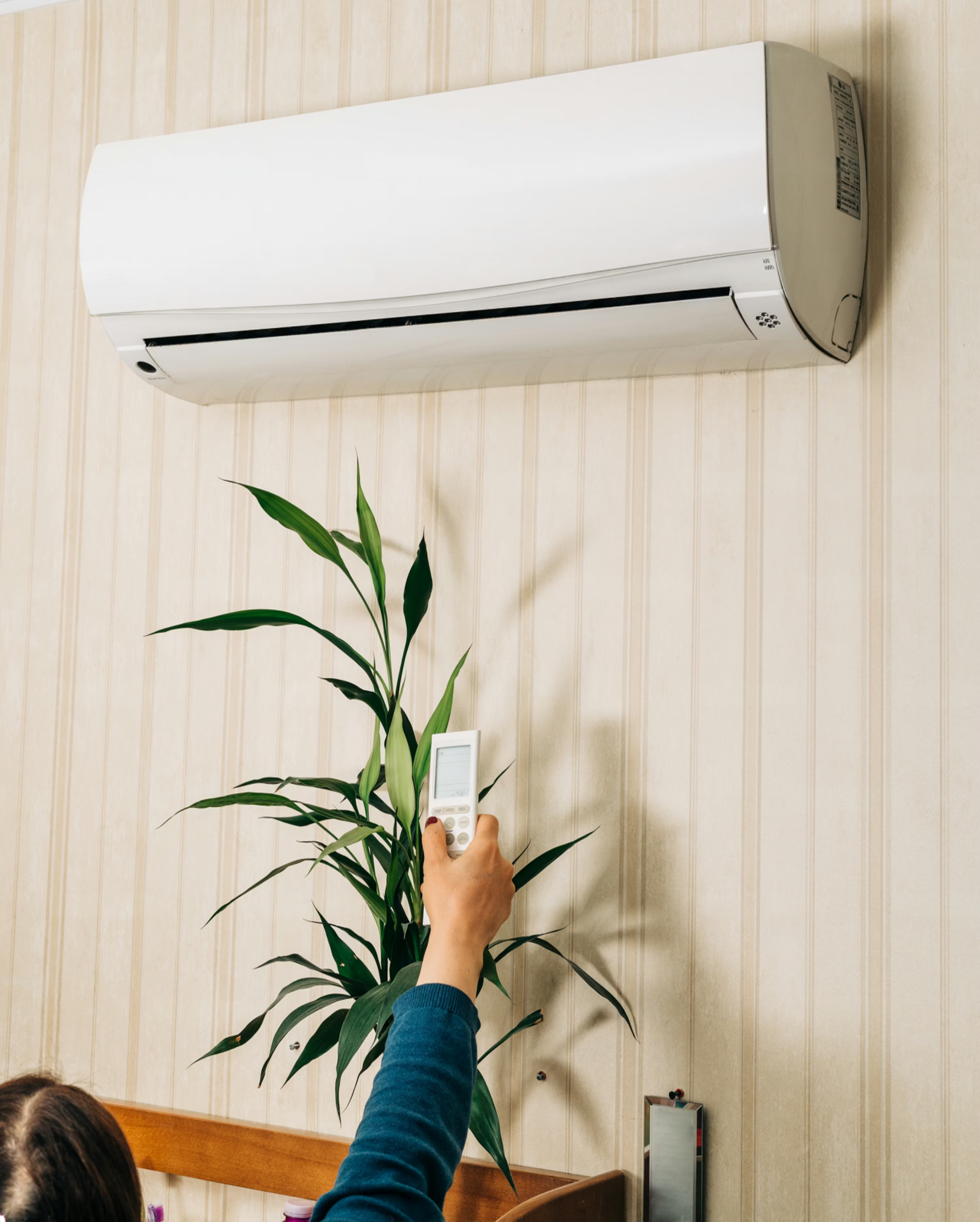
Heat Pump vs Central Air Sammamish: Define the Project Goal First
A homeowner with a reliable newer furnace may simply want central cooling. Another homeowner may have an aging furnace and no air conditioner, making a heat pump a possible way to address both systems in one project. A third property may have limited ducts or a bonus room that needs a ductless solution. The correct comparison begins by defining what must improve now and what is likely to need replacement soon.
Sammamish homes also vary widely in size, floor plan, window exposure, and electrical capacity. Large two-story homes can have upstairs cooling challenges, while additions and daylight basements may not share air evenly with the main system. Equipment type matters, but distribution and controls often determine whether the comfort improvement reaches the rooms that need it.
A useful starting point is a whole-home conversation rather than a product-only quote. Cool Fox Heating & Air provides heat pump installation and can also coordinate air conditioning installation and replacement when the project requires both trades. That integrated approach matters because comfort, airflow, controls, electrical capacity, and installation quality all influence the final result.
How Heat Pumps and Central Air Conditioners Differ
In cooling mode, both systems absorb heat indoors and reject it outdoors. A central air conditioner sends refrigerant between an outdoor condenser and an indoor coil, then the furnace or air handler blower moves cooled air through ducts. A central heat pump uses a reversing valve and controls that allow the refrigeration cycle to operate in the opposite direction for heating.
A heat pump may be connected to an air handler, paired with a furnace in a dual-fuel arrangement, or installed as a ductless system. Central air generally depends on a separate furnace or air handler for airflow and heat. That distinction affects the indoor equipment, thermostat, electrical scope, incentives, maintenance plan, and replacement sequence.
For homeowners researching heat pump vs central air Sammamish, the practical lesson is that equipment specifications are only one part of the decision. The selected system must be compatible with the home, installed to manufacturer requirements, commissioned under real operating conditions, and explained clearly enough that the homeowner knows how to use it efficiently.
Five Questions That Clarify the Better Option
These questions usually reveal whether the project is a cooling addition or a full-system strategy:
- How old and reliable is the existing furnace or heating system?
- Does the home have ducts that are correctly sized, sealed, and capable of supporting cooling airflow?
- Are the main comfort complaints whole-home, upstairs, or isolated to one addition or bonus room?
- Does the electrical panel have capacity and space for the selected outdoor and indoor equipment?
- Does the homeowner want to reduce reliance on combustion equipment or retain a furnace for backup?
- Are future remodeling, solar, EV charging, or other electrification plans likely to affect today’s decision?
Assess the Furnace, Indoor Coil, Blower, and Ducts as One System
Adding central air to an existing furnace requires more than placing an outdoor unit. The indoor coil must fit the cabinet and airflow, the blower must support the required cooling air volume, the ducts and filter must handle that airflow, and the condensate system needs a safe drainage path. Older furnaces may not provide the controls or blower performance expected by newer cooling equipment.
For a heat-pump conversion, the assessment should determine whether the existing furnace remains, whether an air handler replaces it, and how backup heat will operate. Ductless heat pumps require a different design focused on indoor-unit locations, line-set routes, condensate, door patterns, and the way conditioned air will reach adjacent rooms.
A professional evaluation should leave the homeowner with clear choices rather than a vague recommendation. Each option should identify what is being replaced or retained, what supporting work is included, how comfort or reliability is expected to improve, and what assumptions could change the scope. Written clarity is especially important when multiple pieces of equipment, electrical changes, duct modifications, condensate routing, controls, or permits may be involved.
Sammamish Cooling Loads, Upper Floors, and Outdoor Conditions
Sammamish’s wooded setting can provide shade, but mature trees also create pollen, needles, leaves, and debris around outdoor equipment. The location needs clear airflow and access for future service. Roof drainage and landscaping should not direct water or growth into the cabinet.
Upper-floor solar gain can remain significant even on a shaded property, especially through west-facing glass and roof areas. A load calculation should reflect orientation and actual windows. If one floor consistently struggles, the design may include zoning, duct changes, balancing, or a separate ductless zone rather than simply choosing more total capacity.
Homeowners should also consider indoor noise and outdoor-unit placement near bedrooms, decks, property lines, and neighboring windows. Variable-speed equipment can operate quietly, but location, mounting, clearances, and sound paths still matter. A site visit is needed before promising a specific result.
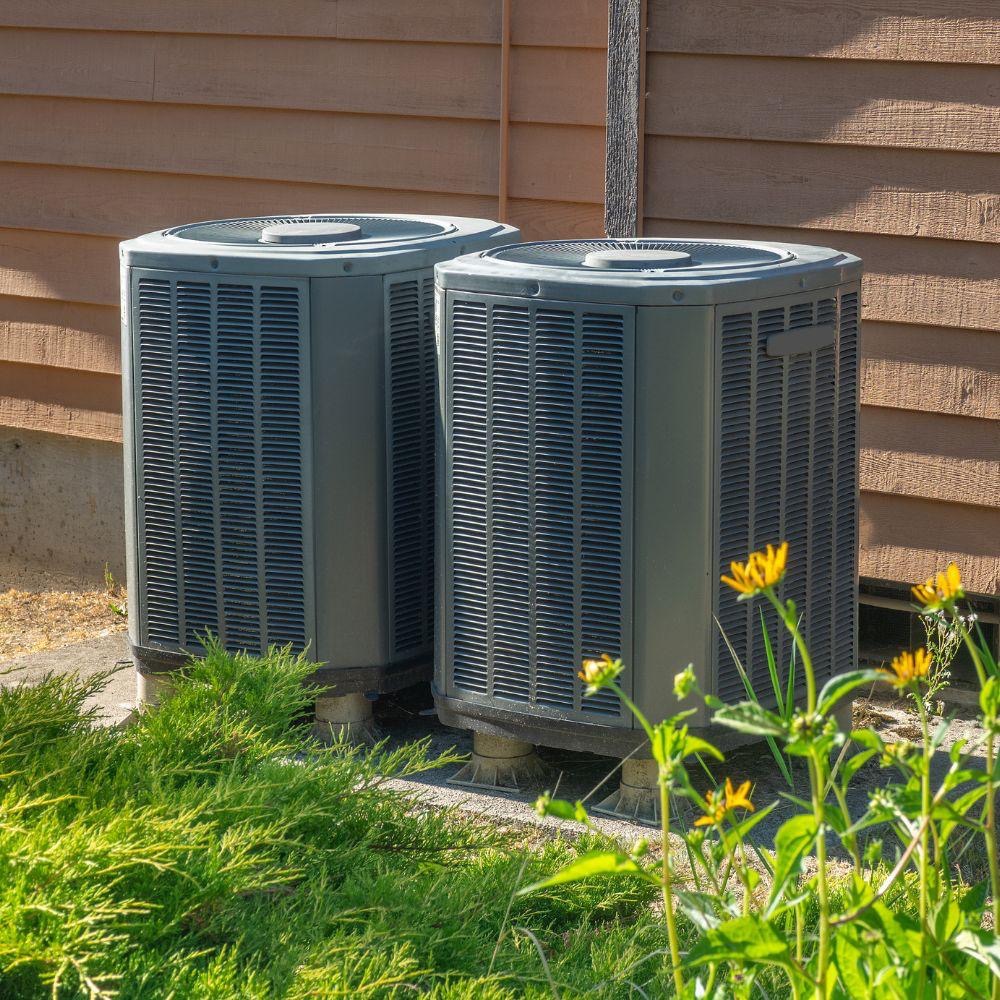
Outdoor HVAC equipment installed beside a residence. | Image source: Cool Fox Heating & Air website

Efficiency Depends on the Full System and How It Is Used
A heat pump’s annual value includes heating and cooling performance. A central air conditioner’s cooling efficiency should be considered together with the furnace’s heating efficiency and remaining life. Comparing one rating on one piece of equipment can hide the cost of operating two separate systems or replacing the furnace soon after the air conditioner is installed.
Thermostat habits also influence results. Large heating setbacks can trigger auxiliary heat in some heat-pump systems, while aggressive cooling setpoints can increase runtime for either technology. Correct sizing, airflow, refrigerant commissioning, filter selection, and homeowner instruction are necessary for the rated efficiency to translate into real operation.
Efficiency should be discussed as part of a complete operating system. Oversized equipment, restricted ducts, poor refrigerant setup, incorrect airflow, dirty filters, or controls that are not configured correctly can prevent high-efficiency equipment from delivering its rated potential. A balanced recommendation considers purchase price, expected use, comfort priorities, maintenance requirements, warranty terms, and the likely condition of the rest of the home.
Compare the Cost of the Complete Path, Not Just the Outdoor Unit
A central-air addition may be cost-effective when the furnace, blower, electrical service, ducts, and drain routing are ready. If several supporting components need replacement, the apparent savings can narrow. A heat-pump project may cost more when it includes an air handler, electrical work, controls, and backup heat, but it may also replace both aging heating and cooling equipment.
The proposal should identify equipment models, indoor components, electrical work, line sets, permits, condensate, equipment pads, duct modifications, thermostat, commissioning, warranty, and maintenance expectations. Incentives and financing can affect timing, but they should not be used to conceal an incomplete scope or unsuitable design.
The lowest initial price is not always the lowest long-term cost. A more complete comparison includes energy use, maintenance access, repair risk, warranty coverage, expected service life, comfort consistency, noise, and the possibility of future electrical or ductwork work. Homeowners should ask what is included in commissioning and how the contractor will document that the system is operating as designed.
Heat Pump vs Central Air Comparison Mistakes
Avoid these common shortcuts when evaluating proposals:
- Comparing outdoor-unit prices while ignoring the furnace, air handler, indoor coil, controls, and electrical work.
- Adding an air conditioner to an old furnace without confirming blower performance and cabinet compatibility.
- Choosing capacity by square footage rather than a cooling and heating load calculation.
- Expecting one central thermostat to solve an isolated upper-floor or bonus-room problem without distribution changes.
- Assuming a heat pump must remove the furnace; dual-fuel and other configurations may be possible.
- Treating incentives as the primary design criterion instead of verifying comfort, capacity, and installation quality.
A Sammamish Homeowner Proposal Checklist
Ask each contractor to address the same project questions in writing:
- What problem is this design solving: cooling only, full replacement, electrification, zoning, or a difficult room?
- What is the calculated heating and cooling load, and how was equipment selected?
- Which existing components remain, and what is their age, condition, warranty, and compatibility?
- What duct, drain, filter, thermostat, electrical, permit, and outdoor-location work is included?
- How will upstairs comfort and known hot rooms be addressed?
- What startup and commissioning measurements will confirm correct airflow and refrigerant operation?
What a Quality Cooling or Heat-Pump Installation Should Include
The installation team should protect the home, set equipment with appropriate clearances, route piping and wiring neatly, seal penetrations, provide safe drainage, and coordinate electrical work. Indoor components and ducts should be accessible for filters and service. The homeowner should be informed before any location or scope changes are made.
Startup should verify controls, airflow, temperatures, electrical operation, refrigerant setup, drainage, and available heating or cooling modes. The contractor should explain thermostat schedules, filter care, normal sounds, defrost behavior for heat pumps, and when to request maintenance. Quality installation is the bridge between the equipment rating and actual comfort.
Cool Fox describes its process as straightforward: schedule a consultation, review clear options, and complete the work with clean professional installation. Homeowners can request a free estimate to discuss the home, current equipment, comfort concerns, and project goals before deciding whether heat pump vs central air Sammamish is the right next step.
Frequently Asked Questions
Does a heat pump cool as well as central air?
A correctly sized and installed heat pump can provide central cooling comparable to an air conditioner. The duct system, indoor coil, airflow, controls, and commissioning affect performance.
Should I add central air if my furnace is old?
The furnace’s age and condition should be evaluated first. If it is near replacement, a complete heat-pump or combined-system plan may avoid paying for incompatible or short-lived supporting equipment.
Can I use a heat pump with my existing furnace?
In some homes, yes. A dual-fuel configuration can pair a heat pump with a compatible furnace. The controls, coil, blower, ducts, and electrical requirements must be designed together.
Is ductless better than central equipment?
Ductless can be effective for homes without ducts or for isolated zones. Central equipment may provide more uniform whole-home conditioning when the ducts are suitable. Some homes use a hybrid approach.
What is the first step in comparing heat pump vs central air Sammamish options?
Schedule an onsite assessment that reviews the existing furnace, ducts, load, electrical panel, problem rooms, outdoor locations, and future replacement goals before selecting equipment.
Talk With a Local HVAC and Electrical Team
The best cooling investment should fit both today’s comfort problem and the likely future of the heating system. Cool Fox Heating & Air can compare central air, central heat pumps, ductless systems, and supporting electrical work for Sammamish homes. Explore heat pump options, review air conditioning services, or request an estimate.
External Sources
- ENERGY STAR – Air-Source Heat Pumps
- ENERGY STAR – HVAC Quality Installation
- Seattle City Light – Heating and Cooling Your Home
Editorial note: External sources are provided for reader education. Availability of incentives, permits, equipment, and utility programs can change; verify current requirements before publication.